Why Employee Recognition Matters More in Hybrid Workplaces
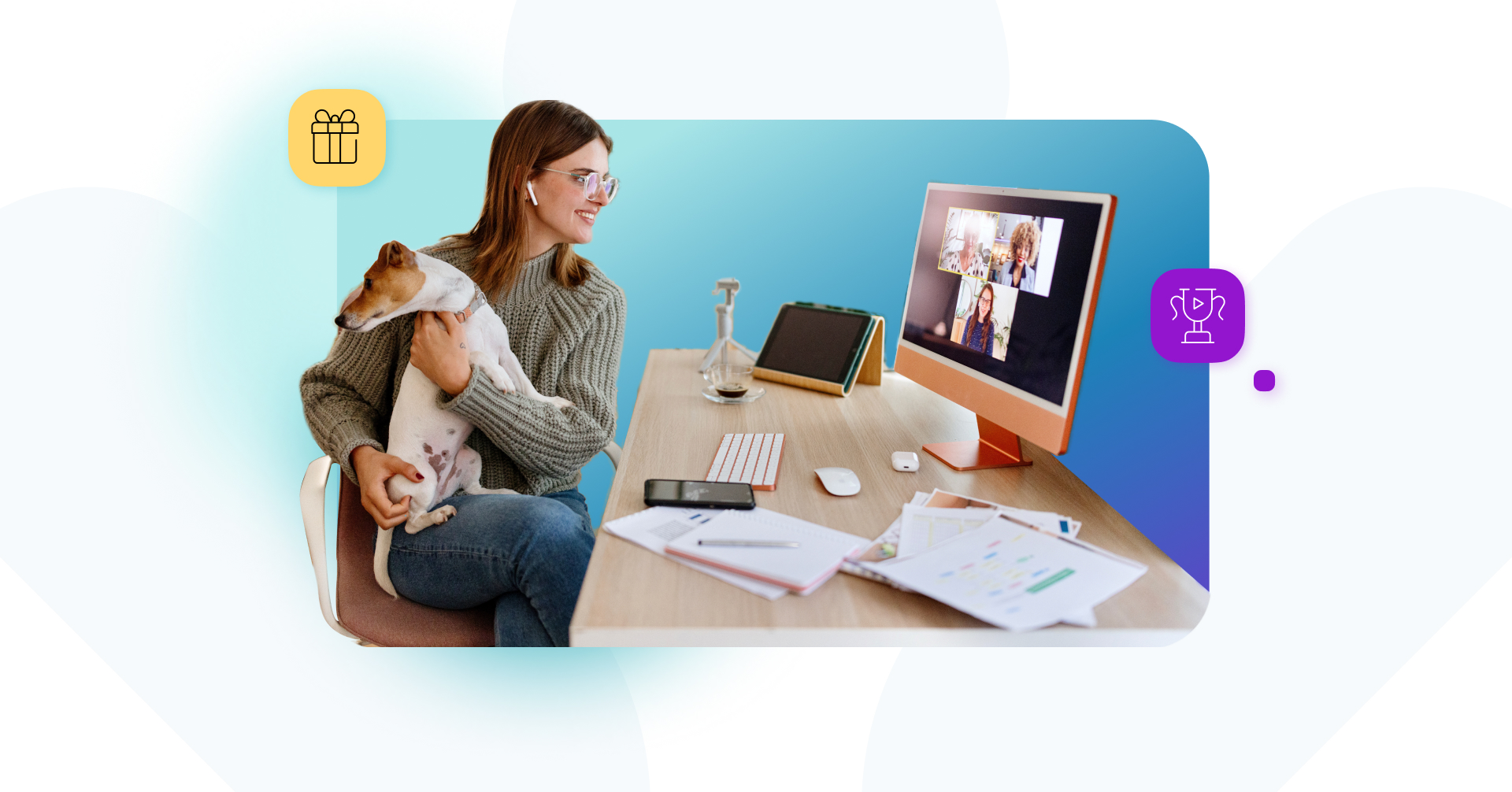
Post Covid flexible working became a baseline expectation. Employees factor it into their job decisions just as heavily as salary and career growth.
To meet expectations, companies landed on a middle ground: the hybrid model. More than 80% of companies globally operate in some form of hybrid work, according to Deloitte.
But hybrid working comes with a unique set of challenges. HR teams are juggling keeping remote and in-office employees equally engaged, delivering recognition that feels genuine and maintaining a cohesive culture.
That's exactly why we wrote this blog. We'll dig into these challenges, explore why employee recognition is more important than ever and give you actionable tips to get it right.
The Challenges of the Hybrid Workplace
Employee Engagement
It’s easy for connection to slip when people aren’t in the same room. Remote employees can feel disconnected from the rest of the team and distant from company values. Without the natural rhythm of in-person collaboration, communication becomes fragmented, productivity takes a hit and culture suffers.
Workplace Culture
Culture isn't built in meetings and company decks. It shows in the small moments – the corridor chats, the coffee runs, the brainstorm sessions. In a hybrid workplace, those moments don't happen naturally.
Building a cohesive culture across remote and in-office employees takes intentional effort, and that's something many teams are still figuring out.
Employee Recognition
In the office, recognition happens spontaneously. A quick ‘great work’ as someone passes your desk, your manager stopping by to say thank you, meetings shout-outs. This isn’t the case for remote work.
Remote employees can feel invisible, quietly delivering on their tasks without ever being noticed or celebrated for their good work. At certain point, this starts building resentment and dissatisfaction.
Recognition should come not only from managers, but also from peers. Peer-to-peer recognition is one of the most powerful drivers of belonging, motivation and team morale, yet it’s even harder to cultivate in hybrid settings.
Employee Retention
Attracting and keeping top talent has always been a priority, the stakes have only gone higher. Employees have more choice than ever about where and how they work. They want flexibility and adequate compensation, but they also want to feel seen and celebrated for their efforts.
Why Employee Recognition Matters Even More in Hybrid Workplaces
Employee recognition is one of the highest-ROI initiatives an HR team can do, and yet it’s one of the most overlooked.
Multiple studies have demonstrated that genuine, meaningful and frequent recognition has positive effect on engagement, retention, productivity, culture…you name it.
Here’s what proper employee recognition can do for your team:
- Create strong sense of belonging: Employees who receive weekly recognition are 6.3x more likely to feel a strong sense of belonging, according to Achievers. In a hybrid workplace where employees can feel like they’re on the edges of the team, this becomes even more crucial.
- Bring your team closer together: Recognition shouldn’t just flow from manager to employee. Peer-to-peer recognition encourages employees to notice and celebrate each other’s contributions, building the kind of trust and connection that no teambuilding exercises can manufacture.
- Boost self-esteem and performance: When employees are consistently praised for their achievements, it does more than just making them feel good in the moment. Recognition builds up confidence, reinforces positive behaviours and motivates employees to raise the bar.
- Strengthen workplace culture: According to Eagle Hill, 43% of remote employees say culture is an important factor in their decision to stay. More than that, remote employees are more likely to tie positive culture with higher engagement, stronger commitment to company values and better productivity. What builds culture? Small, but meaningful everyday moments of team connection and employee recognition.
- Keep your best people around: Employee recognition is directly linked to lower employee turnover. According to Aberdeen Group, companies with a formal recognition programme have 31% lower turnover rate than those without one. People are less likely to look for a new job if they feel valued – and this is the competitive edge most companies need in today’s brutal talent market.
Effective Employee Recognition Beyond the Office Walls
All successful recognition programmes share common traits. Get the foundations right and everything else will fall into place.
The Building Blocks of Great Recognition
- Timely and consistent delivery: Recognition loses its power when it’s delayed or sporadic. Praising good work shouldn’t be reserved just for annual reviews or 1:1s. Effective recognition programmes integrate recognition into everyday work life.
- Frequency and Inclusivity: Don’t save recognition only for big milestones or outstanding achievements. The everyday wins from extra effort, helpful teammates, problems solved deserve to be celebrated too. And this celebration needs to reach everyone equally, especially in hybrid workplaces.
- Authenticity and Relevance: People don’t remember generic recognition. Pointing out exactly what someone did and why it mattered transforms a simple ‘thank you’ into a moment that sticks.
Putting It into Practice with 4 Actionable Tips
1. Listen to your employees
The only way to know what’s working or not is to ask. Regular employee feedback is one of the most powerful tools in an HR team's toolkit. Here’s how to make the most out of it:
- Run regular employee recognition surveys to get a clear picture of how appreciated employees feel and where the gaps are.
- Ask the right questions. Don’t just ask generic yes-or-no questions. Include questions based on specific recognition angles (how often do you receive recognition, does it feel meaningful, etc.) to get a well-rounded perspective.
- Close the feedback loop by sharing the results with your team and communicating what’s going to be done about it.
2. Use the right tools
In hybrid workplaces, recognition can't rely on proximity. If your current setup relies on managers remembering to say thank you, messy spreadsheets and calendar reminders, it’s time to rethink it. Here’s what you can do:
- Think about how you can make recognition a natural part of the working day by integrating it into the tools your company already uses, for example Slack, Teams, HR software.
- Set up automated milestone recognition (work anniversaries, birthdays, project delivery) so no meaningful moment gets missed, no matter how busy things get.
- Centralise recognition into one, shared space that works seamlessly both for in-office and remote employees.
3. Personalise awards
Not everyone is motivated by the same things. Some employees prefer monetary rewards while others will appreciate a thoughtful gift card for their favourite store. Here’s what you can do:
- Build a flexible rewards catalogue that gives employees choice rather than defaulting to the same reward for everyone.
- Encourage managers to add a personal note to every reward.
- Revisit your rewards catalogue at least once a year to make sure it still reflects what employees value.
Looking for inspiration? Check out our guide to 10 employee recognition ideas that actually improve retention.
4. Include everyone
This one is non-negotiable. If your recognition programme only reaches the people in the office, it isn’t a well-thought-out recognition programme. Here’s how to fix this:
- Think about equal access to nominations, peer-to-peer recognition opportunities and visible celebration across all channels.
- Train leadership on inclusive recognition practices. Remind them to make a conscious effort to check in with and celebrate both office-based and remote team members.
The Workbloom Way
Here at Workbloom, we believe meaningful recognition should reach everyone.
No matter where work happens – fully remote, hybrid or in-person – we help HR teams build recognition moments that spark connection, strengthen culture and help employees thrive.
How we do it? With automated milestone celebrations, customisable rewards and data reporting.
Give every employee the recognition they deserve. Book a demo.